
 By Omer Okic, owner of Ultimate Exteriors · 28 years on Des Moines homes
Originally published July 2022 · Updated November 2026
It's time to replace siding when you see warping, blistering, cracking, rot, mold or peeling paint that keeps coming back, or when drafts and energy bills climb. Widespread damage almost always costs less to replace than to keep patching.
- Blisters and bubbles mean moisture or heat behind the siding
- Warped, cracked or loose panels let water and air in
- Peeling paint every few years on wood siding is a red flag
- Drafts and higher bills can trace back to failing siding
No matter what your siding is made of, it will need replacing eventually. Waiting too long lets water get behind it, and that's when the expensive damage starts. Here's what to look for.
Blisters and bubbles
Blistering or bubbling usually means moisture or heat is trapped behind the siding. On vinyl, it can also come from reflected sunlight off a neighbor's windows. Either way, it's a sign the siding is failing and may be hiding water damage.
Warping, cracks and loose panels
Vinyl that's warped, cracked from hail or cold, or blown loose by wind can't keep water out. A few panels can be repaired if a match is available; whole walls of warped or brittle siding usually mean replacement.
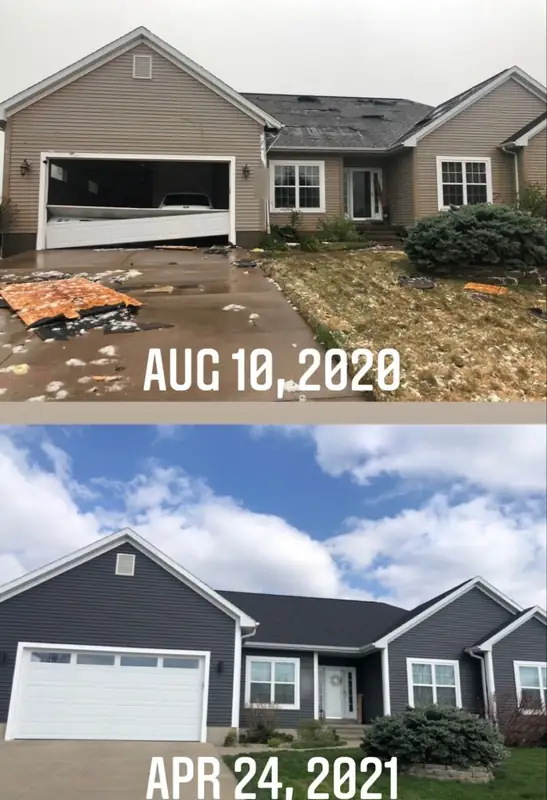
Peeling paint and rot
Wood and some engineered siding needs fresh paint every several years. If paint is peeling much sooner than that, or wood feels soft, moisture is getting in. Rotted boards spread rot to the sheathing behind them.
Mold, mildew and interior stains
Mold or mildew on the siding, especially near seams, or stains and peeling paint on interior walls, can mean water is getting through the exterior wall.
Fading
Old vinyl that's chalky and badly faded is usually also brittle. Fading on its own isn't a leak, but it's a sign the siding is near the end of its life.
Higher energy bills and drafts
Siding and the house wrap behind it help stop air leaks. If your attic and windows are in good shape but rooms are drafty and bills are climbing, failing siding could be part of it. New siding with proper house wrap, or foam-backed siding, makes a noticeable difference.
Repair or replace?
Limited damage on a newer wall is a repair. Widespread problems, discontinued colors or siding that's simply worn out call for replacement. See our siding replacement and repair page and our siding cost guide.
Quick answers
How long does vinyl siding last in Iowa?
Quality vinyl commonly lasts several decades when installed well, though hail, sun and impact can shorten that.
Can I replace just part of my siding?
Sometimes. If matching panels are available, a repair or one wall can work. Faded or discontinued colors often make partial replacement look patched.
Seeing these signs?
See our siding replacement and repair services, or get a free siding estimate.